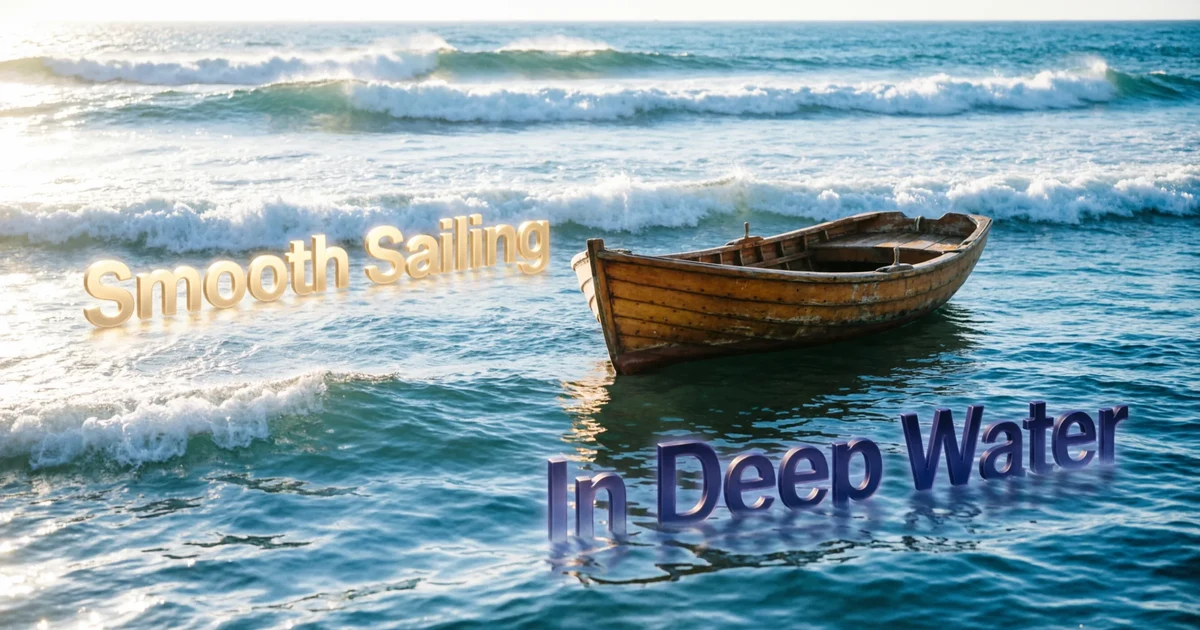
The ocean has always fascinated humans. Its vastness, mystery, and power have inspired countless sayings. Ocean idioms capture feelings, challenges, and situations in a simple, vivid way. They help express ideas with imagery drawn from the sea.
Many ocean idioms come from sailors and coastal life. They reflect experiences of waves, tides, storms, and calm waters. Even people who haven’t seen the ocean often understand these idioms because they convey universal emotions.
Using ocean idioms in conversation or writing adds color. They make language more expressive and relatable. When used naturally, they can describe feelings, challenges, or successes in ways ordinary words cannot.
Meaning or Definition of Ocean Idioms
Ocean idioms are phrases that use the sea or its elements to convey an idea. They are not meant literally but symbolize feelings, situations, or actions.
These idioms often reflect human experiences with uncertainty, risk, opportunity, and emotion. For example, “a drop in the ocean” represents something small compared to the whole. Similarly, “smooth sailing” suggests an easy path without problems.
Ocean idioms are widely used in everyday speech, literature, and business language. They connect readers to vivid imagery while expressing complex ideas simply.
Common Idioms
A drop in the ocean
Meaning: Something very small compared to what is needed
Uses: Used to highlight how minor a contribution or effort is
Example: Donating ten dollars is just a drop in the ocean for this charity
All at sea
Meaning: Confused or unsure
Uses: Expresses a feeling of being lost or lacking direction
Example: I was all at sea when they explained the new software
Between the devil and the deep blue sea
Meaning: Stuck in a difficult choice
Uses: Shows being forced to choose between two bad options
Example: She was between the devil and the deep blue sea, choosing between her job and family
Cast adrift
Meaning: Left alone without support
Uses: Describes someone suddenly without guidance or help
Example: After the project ended, he felt cast adrift in his career
Cold as the ocean
Meaning: Emotionally distant or unfeeling
Uses: Refers to someone showing no warmth or empathy
Example: His reply was cold as the ocean, leaving me shocked
Smooth sailing
Meaning: Easy progress without problems
Uses: Describes a process or journey going well
Example: The presentation was smooth sailing after thorough preparation
High tide
Meaning: Peak or critical point
Uses: Often used to describe a crucial moment or highest level
Example: We reached high tide in sales during the holiday season
Riding the waves
Meaning: Adapting to changing circumstances
Uses: Refers to handling challenges as they come
Example: She is riding the waves of the pandemic successfully
In deep water
Meaning: In serious trouble
Uses: Expresses being in a difficult situation
Example: He was in deep water after missing the deadline
Like a fish out of water
Meaning: Feeling uncomfortable or out of place
Uses: Describes situations where someone doesn’t belong
Example: I felt like a fish out of water at the formal dinner
Make waves
Meaning: Cause a noticeable impact or disturbance
Uses: Used when someone challenges the norm or attracts attention
Example: Her new ideas made waves in the office
Ocean of possibilities
Meaning: Unlimited opportunities
Uses: Suggests a wide range of options available
Example: The career fair offered an ocean of possibilities
Pour oil on troubled waters
Meaning: Calm a tense situation
Uses: Used to describe reducing conflict
Example: The manager poured oil on troubled waters during the argument
Sea change
Meaning: Major transformation
Uses: Indicates a significant shift or development
Example: The new policy brought a sea change to company culture
Sink or swim
Meaning: Must succeed or fail on own effort
Uses: Describes situations where one must adapt quickly
Example: Fresh recruits were left to sink or swim on their first day
Storm in a teacup
Meaning: Overreaction to a small problem
Uses: Highlights unnecessary fuss over minor issues
Example: The argument was a storm in a teacup
Take the plunge
Meaning: Decide to do something risky or new
Uses: Refers to committing to a bold action
Example: He took the plunge and started his own business
The calm before the storm
Meaning: Quiet period before chaos or trouble
Uses: Describes anticipation of upcoming challenges
Example: The office was quiet, the calm before the storm
Tide over
Meaning: Help temporarily through a difficult time
Uses: Often used when providing short-term support
Example: This loan will tide us over until next month
Wave of emotion
Meaning: Sudden strong feeling
Uses: Expresses overwhelming emotions, positive or negative
Example: She felt a wave of emotion when she saw her childhood home
Practical Usage of Ocean Idioms
Ocean idioms are versatile. You can use them in daily conversation, storytelling, or even business discussions. They add imagery and make your language engaging.
People often use idioms to explain feelings or situations that are hard to describe plainly. For instance, describing challenges at work as “in deep water” makes it relatable.
Examples:
- I was all at sea during the meeting with new clients.
- Donating a small amount felt like a drop in the ocean.
- The team experienced smooth sailing after the project plan was finalized.
- She had to take the plunge and move to a new city for work.
- The manager poured oil on troubled waters after the conflict.
- We were riding the waves of changing market trends effectively.
Comparison Table: Hard Work vs Smart Work
| Aspect | Hard Work | Smart Work |
|---|---|---|
| Approach | Focus on effort and hours | Focus on efficiency and strategy |
| Time Management | Often long hours | Uses time wisely |
| Result | May take longer to achieve | Achieves goals faster |
| Problem Solving | Reactive | Proactive |
| Stress Level | High | Lower |
How to Use
Using ocean idioms is simple and natural
- Match idioms with context
- Use them in conversation for emphasis
- Add them to writing for vivid imagery
- Avoid overusing multiple idioms at once
- Keep meaning clear for your audience
Common Mistakes
Many people misuse ocean idioms without realizing it
- Using idioms literally
- Applying them in wrong situations
- Mixing multiple idioms incorrectly
- Overcomplicating usage
- Misunderstanding subtle differences in meaning
FAQs
What are common idioms related to the ocean?
They include “smooth sailing”, “in deep water”, and “take the plunge”.
How can I use ocean idioms in daily conversation?
Use them to describe situations, feelings, or challenges naturally.
What is the meaning of “a drop in the ocean”?
It means a very small part of something much bigger.
Are ocean idioms suitable for formal writing?
Yes, when used sparingly and in context.
How do ocean idioms differ from water idioms?
Ocean idioms are often broader and reflect vastness, while water idioms focus on specific actions or states.
Can idioms like “sink or swim” be used metaphorically?
Yes, they describe challenges requiring adaptation or effort.
Why are ocean idioms popular in literature?
They create vivid imagery and convey complex emotions simply.
How many ocean idioms are there in English?
There are dozens commonly used, but new idioms appear occasionally.
What is the difference between “smooth sailing” and “riding the waves”?
“Smooth sailing” means easy progress; “riding the waves” means handling change successfully.
Can I create my own ocean idioms?
Yes, but ensure the meaning is clear and relatable.
Conclusion
Ocean idioms bring the sea into everyday language. They make descriptions vivid and emotions clear. Using them naturally adds personality to speech or writing.
These idioms also help express abstract ideas simply. Whether describing challenges, opportunities, or feelings, they give depth to communication. Learning them enriches vocabulary and makes conversations more engaging.