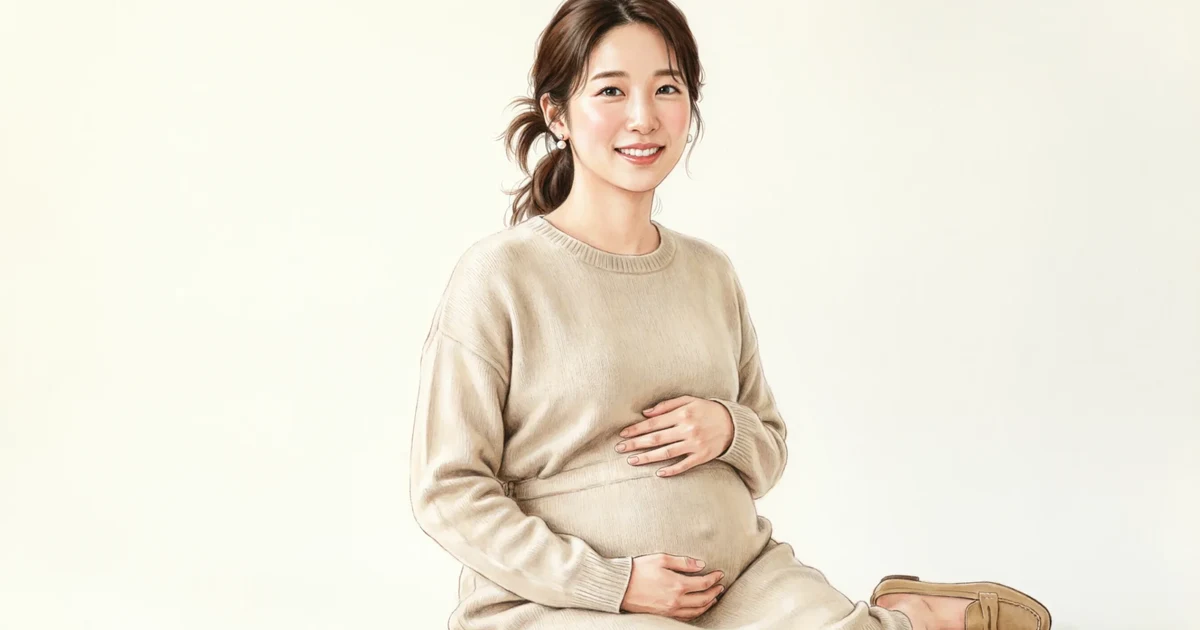
Quick Answer: Idioms for Pregnancy
Idioms for pregnancy are informal phrases people use to say someone is pregnant without stating it directly. These expressions make conversations sound softer, more natural, and sometimes playful.
Introduction
People often use idioms to talk about pregnancy in a softer and more casual way. These phrases make conversations feel lighter and more natural. Instead of using direct or medical words, many prefer expressions that sound friendly or even a bit playful.
You will hear these idioms in everyday talk, movies, and social media. Some are polite and widely accepted, while others are more informal and should be used carefully. Knowing the difference helps you avoid awkward situations.
Learning idioms for pregnancy is useful if you want to sound natural in English. It also helps you understand what others mean when they use these phrases in real life.
Meaning of idioms for pregnancy
Idioms for pregnancy are phrases that describe someone being pregnant without stating it directly. These expressions do not follow literal meanings. Instead, they rely on cultural understanding and common usage.
For example, when someone says “bun in the oven,” they are not talking about food. They mean that a woman is expecting a baby. These phrases add color to language and make communication feel more human.
However, not all idioms are suitable in every situation. Some sound polite, while others can feel rude or outdated. It is important to understand the tone before using them, especially in formal settings or with people you do not know well.
Common idioms for pregnancy list
Bun in the oven
Meaning: A woman is pregnant.
Uses: People use this in casual and friendly conversations. It sounds light and slightly playful.
Example: She finally told everyone she has a bun in the oven.
In the family way
Meaning: Someone is expecting a baby.
Uses: This sounds a bit old-fashioned but still polite. Often used in storytelling.
Example: My aunt was in the family way during that time.
Eating for two
Meaning: A pregnant woman needs more food.
Uses: Used jokingly when someone is pregnant and eating more than usual.
Example: She laughed and said she is eating for two now.
Knocked up
Meaning: A woman is pregnant.
Uses: Very informal and can sound rude. Use only with close friends if appropriate.
Example: He joked that she got knocked up after their trip.
Expecting a baby
Meaning: Someone is pregnant.
Uses: This is polite and widely accepted in all situations.
Example: They are expecting a baby next month.
With child
Meaning: A woman is pregnant.
Uses: Formal and slightly old style. Often used in literature.
Example: The queen was with child at the time.
Big with child
Meaning: Heavily pregnant.
Uses: Used in older or dramatic contexts. Not common in daily speech.
Example: She was big with child and stayed home.
Carrying a child
Meaning: Being pregnant.
Uses: Neutral and respectful. Often used in serious conversations.
Example: She is carrying a child and needs rest.
Due any day
Meaning: The baby will be born soon.
Uses: Used when the pregnancy is near the end.
Example: She is due any day now.
Ready to pop
Meaning: Very close to giving birth.
Uses: Informal and slightly humorous.
Example: She looks ready to pop this week.
Baby on board
Meaning: A woman is pregnant.
Uses: Often used in a fun or light way, sometimes on signs or jokes.
Example: They joked about having a baby on board.
Up the duff
Meaning: Pregnant.
Uses: British slang and informal. Can sound rude in some contexts.
Example: He said she is up the duff, which shocked everyone.
Preggers
Meaning: Pregnant.
Uses: Casual and modern slang. Used among friends.
Example: She told me she is preggers.
In a delicate condition
Meaning: Pregnant.
Uses: Polite and old-fashioned. Used to avoid direct wording.
Example: She was in a delicate condition at that time.
Blessed event coming
Meaning: A baby is expected soon.
Uses: Positive and polite phrase.
Example: They are happy about the blessed event coming.
Awaiting the stork
Meaning: Expecting a baby.
Uses: Light and slightly humorous expression.
Example: They are awaiting the stork this winter.
Got a bun cooking
Meaning: Pregnant.
Uses: Informal and playful. Best for casual talk.
Example: She joked that she has a bun cooking.
On maternity watch
Meaning: Close to giving birth.
Uses: Used when people are waiting for the baby’s arrival.
Example: The whole family is on maternity watch.
Baby bump showing
Meaning: Pregnancy is visible.
Uses: Used when the pregnancy becomes noticeable.
Example: Her baby bump is showing now.
Expanding the family
Meaning: Having another child.
Uses: Polite and common in everyday speech.
Example: They are expanding the family soon.
Practical usage of idioms for pregnancy in sentences
Idioms for pregnancy appear mostly in casual conversations. Friends, family members, and even coworkers use them to keep things light. They help avoid direct or clinical language.
You should always think about your audience. Some idioms sound fun, while others may feel rude or outdated. A simple and polite phrase often works best in mixed company.
Examples:
- She shared the news by saying she has a bun in the oven.
- Everyone got excited when they heard she is expecting a baby.
- He joked that they are expanding the family again.
- Her friends noticed her baby bump was showing.
- They told us they are awaiting the stork this year.
Idioms for pregnancy vs medical pregnancy terms comparison
| Aspect | Hard Work | Smart Work |
|---|---|---|
| Language style | Direct and effort-heavy wording | Simple and natural expressions |
| Tone | Formal or clinical | Friendly and conversational |
| Usage | Medical or official settings | Everyday conversations |
| Clarity | Very precise but less engaging | Easy to understand and relatable |
| Example | She is pregnant | She is expecting a baby |
How to use idioms for pregnancy correctly
Use them naturally in the right setting
- Choose polite idioms in public or formal situations
- Use slang only with close friends
- Match the tone to the listener
- Avoid outdated or offensive phrases
- Keep it simple and clear
Common mistakes when using pregnancy idioms
People often misuse them without realizing
- Using rude slang in formal settings
- Mixing idioms with literal meanings
- Overusing idioms in one conversation
- Choosing outdated expressions
- Ignoring cultural differences
Conclusion
Idioms for pregnancy add warmth and personality to everyday language. They help people share news in a way that feels natural and less direct. From polite phrases to playful expressions, each idiom carries its own tone.
It is important to choose the right words for the right moment. A simple and respectful expression often works best, especially in formal situations. With a little practice, you can use these idioms confidently and sound more like a natural speaker.
FAQs about idioms for pregnancy
What are idioms for pregnancy?
They are phrases that describe pregnancy in a non-direct way.
Is “bun in the oven” polite?
Yes, it is friendly and widely accepted in casual talk.
Is “knocked up” offensive?
It can sound rude, so use it carefully.
Can I use pregnancy idioms at work?
Only polite ones like “expecting a baby.”
What is the safest idiom to use?
“Expecting a baby” is the safest and most neutral.
Are these idioms used worldwide?
Some are regional, so usage may vary.
Why do people use idioms for pregnancy?
They make conversations feel softer and more natural.
Are pregnancy idioms formal?
Most are informal, except a few polite ones.
Can idioms sound disrespectful?
Yes, especially slang or outdated phrases.
How can I learn to use them correctly?
Listen to real conversations and practice carefully.