Quick Answer Box
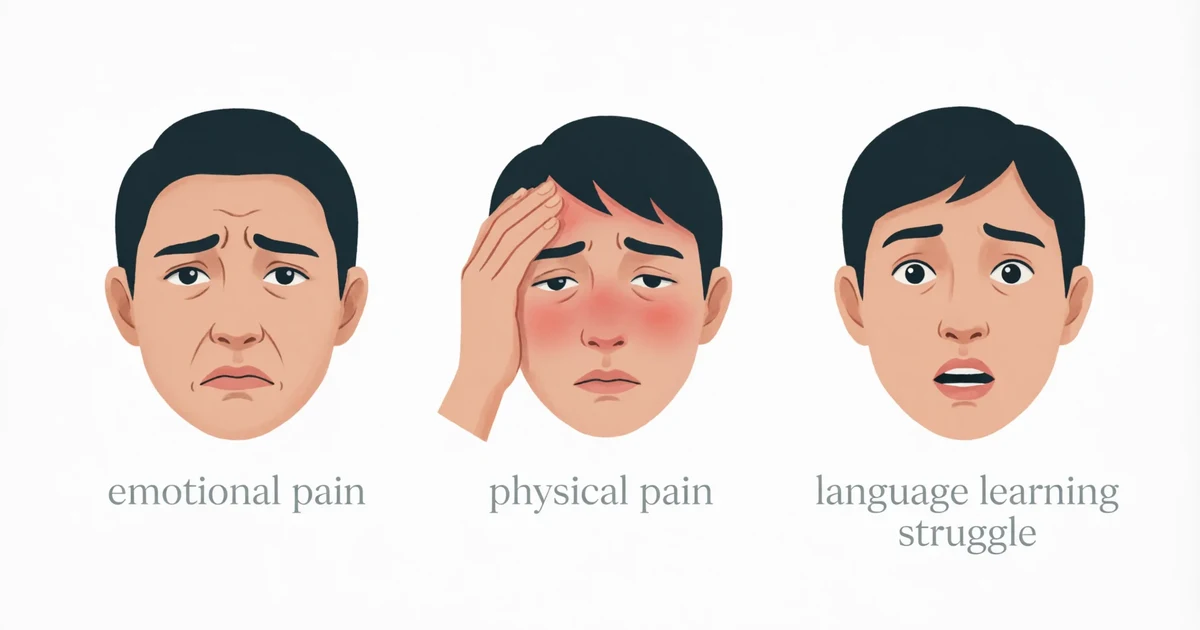
Idioms for pain are expressions used to describe physical or emotional suffering in a creative way. They do not mean literal pain. Instead, they show feelings like sadness, frustration, betrayal, or discomfort in a natural and expressive form. Examples include “pain in the neck,” “heartache,” and “cut like a knife.”
Introduction
Pain is something every person understands in life. It can be physical or emotional. We all feel it in different moments. That is why English has many idioms for pain. These expressions help people explain feelings in a deeper and more natural way. They are not direct meanings. Instead, they carry emotion and imagination.
Idioms for pain are often used in daily conversation. People use them when they cannot describe their feelings in simple words. For example, heartbreak, stress, or even physical discomfort. These idioms make language more expressive and human. They help you connect better in speaking and writing.
Learning these idioms is useful for students, writers, and English learners. They appear in movies, books, and real conversations. Once you understand them, English feels more natural and easy to follow.
Meaning and Definition
Idioms for pain are expressions that describe physical or emotional suffering in a creative way. They do not mean exactly what the words say. Instead, they show feelings through symbolic language. For example, “pain in the neck” does not mean real neck pain. It means something or someone annoying.
These idioms help people express strong emotions in a softer or more interesting way. They are common in spoken English and informal writing. Some idioms describe heartbreak, while others describe discomfort or frustration. They make communication more expressive and natural.
In simple words, idioms for pain give language more emotion. They help people share feelings that are hard to explain directly. This is why they are widely used in everyday English.
Common Idioms for Pain List English Expressions
Pain in the neck
Meaning: Someone or something very annoying
Uses: People use it when a situation or person causes irritation in daily life
Example: My noisy neighbor is a real pain in the neck
Pain in the back
Meaning: Something that causes constant trouble or discomfort
Uses: It is used for ongoing problems that are hard to ignore
Example: This broken chair is a pain in the back
A thorn in my side
Meaning: A persistent problem or annoyance
Uses: Used when someone or something keeps causing trouble
Example: That old issue is still a thorn in my side
Sore point
Meaning: A topic that causes emotional discomfort
Uses: Used in conversations to avoid sensitive subjects
Example: His job loss is a sore point for him
Ache inside
Meaning: Deep emotional sadness
Uses: Used when someone feels inner emotional pain
Example: She felt an ache inside after the breakup
Feel the sting
Meaning: Experience emotional or physical pain
Uses: Used when something hurts strongly after an event
Example: He felt the sting of rejection
Cut like a knife
Meaning: Very deep emotional pain
Uses: Used for heartbreak or strong emotional hurt
Example: Her words cut like a knife
Burning pain
Meaning: Strong and intense physical or emotional pain
Uses: Used when pain feels sharp and hot
Example: He felt a burning pain in his chest
Heartache
Meaning: Emotional suffering from love or loss
Uses: Used in situations of breakup or sadness
Example: She is dealing with heartache after the loss
Agony of defeat
Meaning: Deep pain after losing something important
Uses: Used in sports or competition failure
Example: He felt the agony of defeat in the final match
Grin and bear it
Meaning: Accept pain silently
Uses: Used when someone endures hardship without complaint
Example: I had to grin and bear it during the long meeting
Hurt like hell
Meaning: Extremely strong pain
Uses: Used for both emotional and physical suffering
Example: My leg hurt like hell after the fall
Break someone’s heart
Meaning: Cause emotional pain in love or relationships
Uses: Used when someone ends a relationship badly
Example: She broke his heart without explanation
Painful memory
Meaning: A memory that causes sadness
Uses: Used when past events still hurt emotionally
Example: That day is still a painful memory
Stab in the back
Meaning: Betrayal causing emotional pain
Uses: Used when someone you trust hurts you
Example: His friend’s action felt like a stab in the back
Suffer in silence
Meaning: Endure pain without expressing it
Uses: Used when someone hides their struggles
Example: Many people suffer in silence
Wince in pain
Meaning: React physically to sudden pain
Uses: Used when pain causes facial reaction
Example: He winced in pain after the injury
Sharp pain
Meaning: Sudden and intense physical pain
Uses: Used for quick and strong discomfort
Example: She felt a sharp pain in her leg
Living with pain
Meaning: Continuous experience of pain
Uses: Used for long-term physical or emotional suffering
Example: He is living with pain after the accident
Pain threshold
Meaning: Level of pain a person can tolerate
Uses: Used in medical or personal strength context
Example: Everyone has a different pain threshold
Practical Usage in Idioms for Pain Contexts
Idioms for pain appear in real life more than we notice. People use them in conversations when emotions become hard to explain. They make speech more natural and expressive. Instead of saying “I am sad,” someone might say “my heart aches inside.”
These expressions also help in storytelling. Writers use them to show emotion without direct explanation. It adds depth and feeling to language. In daily talk, they make communication more relatable and human.
Examples:
- I felt a sting when I saw my old friend ignore me
- That comment cut like a knife during the meeting
- Losing the match gave him the agony of defeat
- She had to grin and bear it during the tough exam
- His betrayal felt like a stab in the back
- The breakup left her with deep heartache
Comparison Table
| Physical Pain Idioms | Emotional Pain Idioms |
|---|---|
| Sharp pain | Heartache |
| Burning pain | Ache inside |
| Wince in pain | Cut like a knife |
| Pain threshold | Painful memory |
| Living with pain | Stab in the back |
How to Use Idioms for Pain in English Speaking Writing
Idioms for pain work best when used in natural conversation. They help express feelings clearly without sounding direct.
- Use them in daily speaking practice
- Add them in emotional storytelling
- Practice in short conversations
- Learn meaning before using
- Do not translate word by word
Common Mistakes in Idioms for Pain Usage English Learning
Idioms can feel confusing at first. Many learners use them incorrectly.
- Taking literal meaning instead of figurative
- Using idioms in formal writing
- Overusing the same expression
- Mixing emotional and physical idioms wrongly
- Forgetting context while speaking
FAQs About Idioms for Pain Meaning Usage List
What are idioms for pain in English?
They are expressions used to describe physical or emotional suffering in creative ways.
Why do we use idioms for pain?
They help express emotions in a more natural and interesting way.
Are idioms for pain formal or informal?
Most are informal and used in daily conversation.
Can I use them in writing?
Yes, but mostly in storytelling or informal writing.
What is the most common idiom for pain?
“Pain in the neck” is very commonly used.
Do idioms for pain describe real pain?
No, most describe emotions or situations symbolically.
How can I learn idioms faster?
Practice them in real sentences and conversations.
Are idioms important for English fluency?
Yes, they make speech sound natural and fluent.
Can beginners use idioms for pain?
Yes, simple ones are easy to start with.
Where do idioms for pain appear most?
They appear in movies, books, and daily speech.
Conclusion
Idioms for pain help us express feelings that are hard to say directly. They make language more emotional and natural. Instead of plain words, these expressions add depth to communication. They work in both physical and emotional contexts, which makes them very useful in English learning.
When you understand these idioms, conversations become easier to follow. You also start speaking in a more natural way. It helps in writing, speaking, and even understanding movies or stories. With regular practice, these expressions become a natural part of your language.