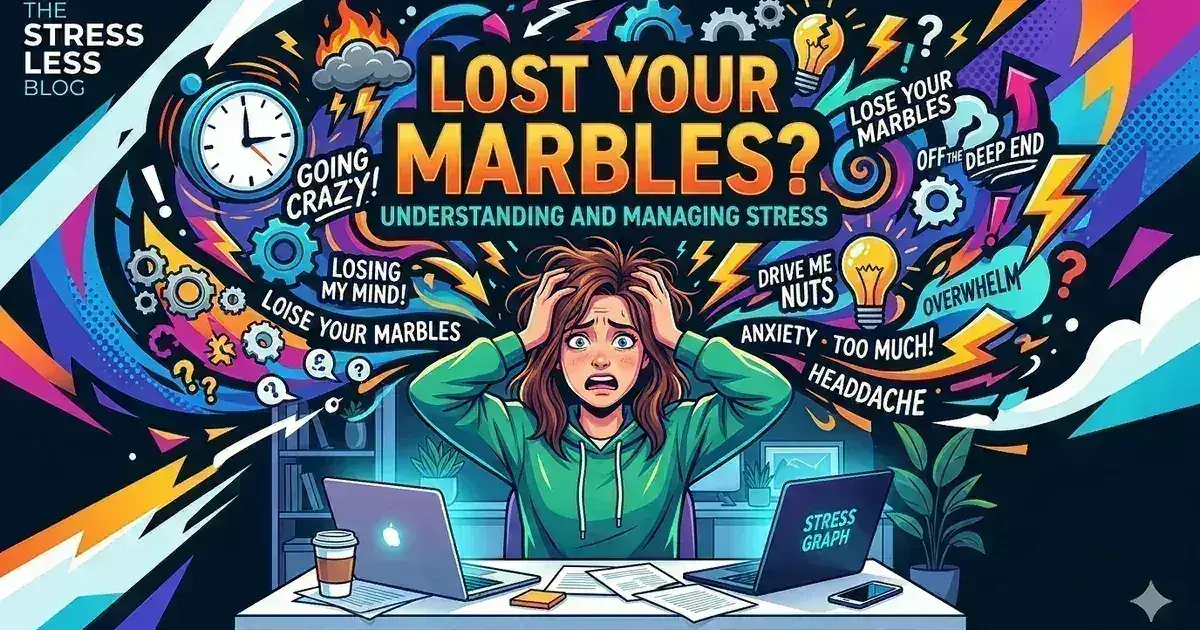
Language becomes more fun when you use idioms. They add emotion and color to simple thoughts. When people feel overwhelmed, frustrated, or excited, they often use idioms for going crazy to express those feelings in a lively way. These phrases help you sound more natural in everyday conversations.
You might hear someone say they are going nuts or losing their mind. They usually do not mean it literally. These idioms reflect strong emotions like stress, anger, or even excitement. Native speakers use them all the time in casual talk, movies, and social media.
Learning these idioms can improve your fluency. You will understand others better and express your feelings more clearly. Once you get used to them, they will feel natural in your daily speech.
Meaning of Going Crazy Idioms
Idioms for going crazy describe a state where someone feels mentally overwhelmed. It can happen due to stress, confusion, anger, or even excitement. These expressions do not mean a person is actually losing their mental health. They simply show strong emotional reactions.
For example, when someone says they are at their wits’ end, they mean they cannot handle a situation anymore. If someone says they are going bananas, it often means they feel extremely excited or annoyed. The exact meaning depends on the context.
These idioms help people communicate emotions in a quick and relatable way. Instead of long explanations, one short phrase can say everything. That is why they are so popular in spoken English.
Common Idioms for Going Crazy (List of 20)
Go bananas
Meaning: To become very excited or slightly crazy
Uses: People use it when emotions go out of control in a fun or chaotic way
Example: The crowd went bananas when their team won
Lose your mind
Meaning: To act irrationally or emotionally
Uses: Used when someone reacts strongly or behaves unexpectedly
Example: I almost lost my mind waiting for the results
Go nuts
Meaning: To become very excited or angry
Uses: Common in casual talk for strong reactions
Example: He went nuts after hearing the news
Drive someone up the wall
Meaning: To annoy someone a lot
Uses: Used when someone feels mentally irritated
Example: The constant noise is driving me up the wall
At your wits’ end
Meaning: To feel completely frustrated
Uses: Used when someone does not know what to do anymore
Example: I am at my wits’ end with this problem
Flip your lid
Meaning: To suddenly get very angry
Uses: Used when someone loses control of their temper
Example: She flipped her lid over a small mistake
Go off the deep end
Meaning: To act irrationally
Uses: Used when someone overreacts or behaves wildly
Example: He went off the deep end after the argument
Crack up
Meaning: To lose emotional control or laugh a lot
Uses: Used for stress or uncontrollable laughter
Example: I cracked up during the funny scene
Lose it
Meaning: To lose emotional control
Uses: Used when someone cannot stay calm anymore
Example: She lost it during the meeting
Go insane
Meaning: To feel mentally overwhelmed
Uses: Used when stress becomes too much
Example: I will go insane if this continues
Be out of your mind
Meaning: To act in a crazy way
Uses: Used to question someone’s decision
Example: You are out of your mind to try that
Have a meltdown
Meaning: To have an emotional breakdown
Uses: Used when someone cannot control their emotions
Example: He had a meltdown after the failure
Go stir-crazy
Meaning: To feel restless due to boredom
Uses: Used when someone stays indoors too long
Example: I feel stir-crazy staying home all day
Lose your marbles
Meaning: To behave in a silly or crazy way
Uses: Often used humorously
Example: He must have lost his marbles
Go haywire
Meaning: To stop working properly or act wildly
Uses: Used for both people and situations
Example: My plans went haywire
Blow a fuse
Meaning: To suddenly become very angry
Uses: Used when anger comes quickly
Example: He blew a fuse over nothing
Come unglued
Meaning: To lose emotional control
Uses: Used when someone breaks down mentally
Example: She came unglued under pressure
Go ballistic
Meaning: To become extremely angry
Uses: Used for strong emotional reactions
Example: He went ballistic when he heard the news
Lose control
Meaning: To stop managing emotions or actions
Uses: Used in both serious and casual situations
Example: I almost lost control during the argument
Go mental
Meaning: To act in a crazy or wild way
Uses: Common in informal speech
Example: He went mental after the mistake
Practical Usage of Idioms for Going Crazy in Daily Life
People use these idioms in everyday conversations without thinking much about them. They come naturally when emotions run high. You will hear them in casual chats, social media posts, and even movies.
They help you express feelings quickly. Instead of explaining everything, one idiom can show your mood clearly. This makes your speech more engaging and relatable.
Examples:
- I went nuts trying to fix my phone
- She almost lost her mind during exams
- The kids went bananas at the party
- He blew a fuse when the plan failed
- I feel stir-crazy sitting at home all day
Idioms for Going Crazy vs Angry Idioms Comparison Table
| Aspect | Going Crazy Idioms | Angry Idioms |
|---|---|---|
| Emotion Type | Mixed emotions like stress, excitement, frustration | Pure anger or rage |
| Intensity | Can be mild to strong | Usually strong |
| Context | Daily life, stress, fun situations | Conflicts and arguments |
| Example | Go nuts, lose it | Hit the roof, see red |
| Tone | Can be playful or serious | Mostly serious |
How to Use Idioms for Going Crazy Correctly
Use these idioms naturally in conversation
- Choose an idiom that matches your emotion
- Keep it informal and conversational
- Use it in real situations, not forced sentences
- Pay attention to tone and context
- Practice by listening to native speakers
Common Mistakes When Using Going Crazy Idioms
Avoid these common errors
- Using idioms in formal writing
- Mixing meanings of similar idioms
- Overusing too many idioms together
- Using them without understanding context
- Translating directly from your native language
Conclusion on Idioms for Going Crazy
Idioms for going crazy make your language more expressive and engaging. They help you share emotions like stress, excitement, or frustration in a simple way. Instead of long explanations, you can use one short phrase to say a lot.
When you learn these idioms, your communication becomes more natural. You start to sound more like a native speaker. Try to use them in daily conversations and notice how others use them too. With practice, they will become a natural part of your speech.
FAQs About Idioms for Going Crazy
What are idioms for going crazy?
They are phrases used to describe strong emotions like stress or excitement.
Is go nuts formal?
No, it is informal and used in casual conversations.
What does lose your mind mean?
It means to react emotionally or irrationally.
Can these idioms be used in writing?
They are best for informal writing and speech.
Are these idioms used worldwide?
Yes, but mostly in English-speaking cultures.
What is the difference between go crazy and go insane?
Both are similar, but go insane sounds more intense.
Can I use these idioms humorously?
Yes, many of them are used in a light or funny way.
Do these idioms mean real mental illness?
No, they are just expressions, not literal meanings.
How can I learn idioms faster?
Practice them in daily conversation and listen to native speakers.
Are these idioms common in movies?
Yes, they are widely used in films and shows.