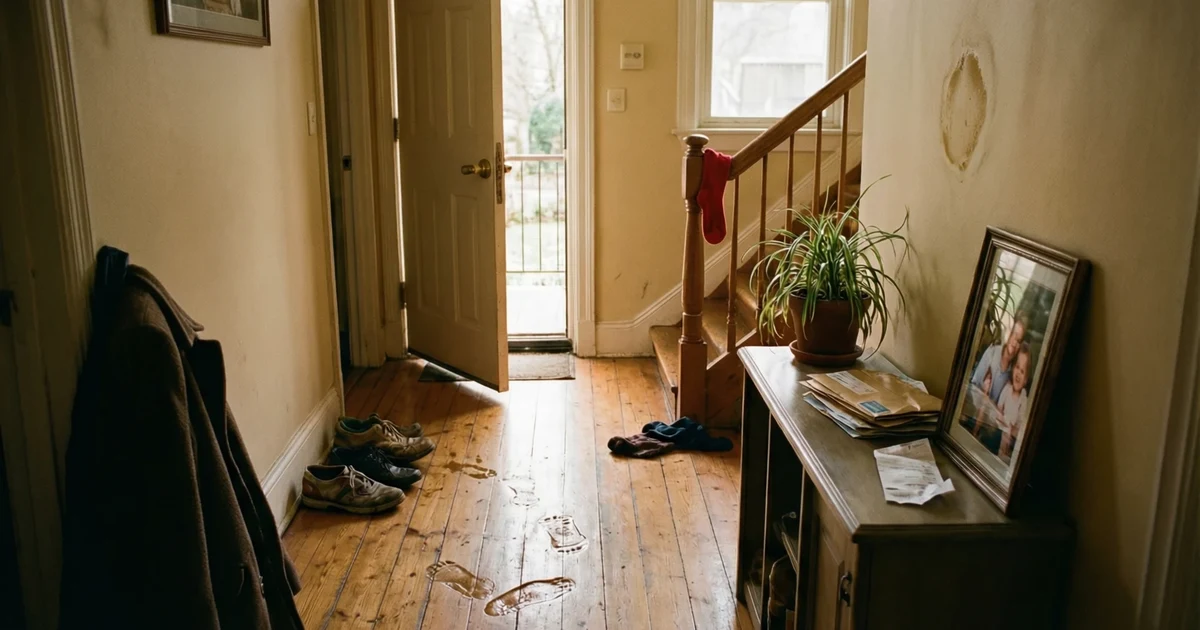
Ever notice how doors get way too involved in our personal business? I have always believed that everyday objects reveal their true personalities the moment humans stop paying attention, and doors are absolute drama magnets. I see them judging outfits, interrupting arguments, and choosing the worst possible moment to creak like a villain entrance. That is why funny door puns feel so personal to me, because they turn ordinary hinges into coworkers, landlords, and family members with opinions. I wrote this with the same energy as a neighbor peeking through blinds, half curious and half committed to the chaos. If you have ever slammed something purely for emotional closure, this
🚪 Front Door Energy and First Impressions
• The front door acts confident all day, then panics when guests arrive early.
• My front door judges packages like it paid for them personally.
• The front door creaks like it wants applause after every entrance.
• That front door opens slowly like it is revealing a bad decision.
• The front door slams with authority, then pretends it was an accident.
• Every front door believes it is the face of the house.
• The front door listens to gossip and still acts surprised every time.
• A front door closes harder when it knows you forgot your keys.
• The front door opens wide for strangers and sticks for its owner.
• That front door sighs louder than any disappointed parent.
• The front door watches you leave and immediately locks you out emotionally.
• A front door creaks like it wants credit for your confidence.
• The front door opens politely but closes with unresolved issues.
• That front door slams like it just ended a relationship.
• The front door holds secrets and fingerprints with equal commitment.
🏢 Office Doors With Corporate Attitudes
• Office doors open softly, then close like they just fired someone.
• That office door creaks like it knows everyone’s salary.
• The office door shuts slowly, adding tension like a performance review.
• An office door closes harder when management is watching.
• Office doors pretend transparency while hiding chaos behind them.
• That office door squeaks like it wants a promotion.
• Office doors love open communication until meetings start.
• The office door opens confidently then immediately regrets it.
• Office doors slam with professional disappointment.
• That office door closes quietly, spreading gossip efficiently.
• Office doors open faster for bosses than deadlines.
• The office door creaks like it disapproves of casual Fridays.
• Office doors stay open just long enough to judge you.
• The office door shuts with passive aggressive enthusiasm.
• Office doors act neutral but always pick sides.
🚽 Bathroom Doors and Personal Boundaries
• Bathroom doors close urgently like they understand human panic.
• That bathroom door locks with unnecessary confidence.
• Bathroom doors creak louder when privacy matters most.
• A bathroom door opens accidentally like it committed a crime.
• Bathroom doors shut fast but judge you slowly.
• That bathroom door locks like it is protecting state secrets.
• Bathroom doors announce everything despite promises of privacy.
• The bathroom door creaks like it wants attention.
• Bathroom doors close with fear based motivation.
• That bathroom door opens softly, ruining lives.
• Bathroom doors lock confidently then betray you publicly.
• The bathroom door squeaks with terrible timing.
• Bathroom doors close harder when dignity is fragile.
• That bathroom door opens without knocking, emotionally speaking.
• Bathroom doors understand urgency better than humans.
🔄 Revolving Doors With Commitment Issues
• Revolving doors commit to everyone and nobody simultaneously.
• That revolving door keeps people moving without emotional closure.
• Revolving doors spin like they enjoy confusion.
• A revolving door traps confidence and releases panic.
• Revolving doors judge timing with professional cruelty.
• That revolving door refuses to pick a direction.
• Revolving doors make simple entrances feel like auditions.
• Revolving doors spin faster when you hesitate emotionally.
• That revolving door creates teamwork through shared embarrassment.
• Revolving doors turn exits into group projects.
• A revolving door keeps spinning like it forgot its purpose.
• Revolving doors encourage eye contact nobody wants.
• That revolving door celebrates indecision loudly.
• Revolving doors make confident people question everything.
• Revolving doors feel personal in the worst way.
🚗 Garage Doors and Loud Opinions
• Garage doors announce arrivals like unwanted press releases.
• That garage door opens loudly, demanding recognition.
• Garage doors close with dramatic finality.
• A garage door shakes the house for attention.
• Garage doors open slowly, judging your parking skills.
• That garage door creaks like it is exhausted.
• Garage doors slam like they had a long day.
• A garage door opens confidently then stops to think.
• Garage doors wake neighbors with enthusiasm.
• That garage door rattles like it has complaints.
• Garage doors close aggressively during emotional exits.
• The garage door opens like it wants applause.
• Garage doors never respect quiet moments.
• That garage door groans with mechanical disappointment.
• Garage doors behave like extroverts in metal form.
🛗 Elevator Doors and Social Awkwardness
• Elevator doors open revealing strangers and shared regret.
• Elevator doors close slowly, stretching discomfort professionally.
• That elevator door reopens just to embarrass you.
• Elevator doors pause like they forgot your name.
• Elevator doors open silently, ruining private moments.
• That elevator door closes confidently on your dignity.
• Elevator doors reopen because timing hates you.
• Elevator doors make eye contact unavoidable.
• That elevator door closes faster after awkward jokes.
• Elevator doors open like they expect conversation.
• Elevator doors close like they overheard something personal.
• Elevator doors reopen to extend the silence.
• Elevator doors move with unnecessary suspense.
• Elevator doors close gently but emotionally.
• Elevator doors test patience daily.
🪟 Sliding Doors With Trust Problems
• Sliding doors pretend to be smooth but hide betrayal.
• That sliding door sticks like it remembers everything.
• Sliding doors open confidently then panic halfway.
• Sliding doors make graceful exits impossible.
• That sliding door refuses cooperation without negotiation.
• Sliding doors jam during important moments.
• Sliding doors sound calm but act chaotic.
• That sliding door moves like it has opinions.
• Sliding doors close slowly, mocking urgency.
• Sliding doors trap fingers without remorse.
• That sliding door sticks when confidence is high.
• Sliding doors move better when nobody watches.
• Sliding doors punish impatience immediately.
• That sliding door resists like it wants commitment.
• Sliding doors enjoy ruining momentum.
🪟 Screen Doors and Summer Drama
• Screen doors slam like they were raised loudly.
• That screen door squeaks with seasonal confidence.
• Screen doors close fast but never properly.
• Screen doors allow bugs like bad decisions.
• That screen door flaps with unnecessary attitude.
• Screen doors announce exits dramatically.
• Screen doors never stay still emotionally.
• That screen door squeaks like it enjoys attention.
• Screen doors let air in and dignity out.
• Screen doors close loudly then bounce back.
• That screen door argues with gravity.
• Screen doors betray quiet intentions.
• Screen doors perform better when ignored.
• That screen door slams like punctuation.
• Screen doors live for drama.
🏨 Hotel Doors and Temporary Confidence
• Hotel doors close loudly, announcing poor life choices.
• That hotel door locks like it trusts nobody.
• Hotel doors open confidently into wrong rooms.
• Hotel doors close with rental authority.
• That hotel door clicks judgmentally.
• Hotel doors open softly then slam opinions.
• Hotel doors trap embarrassment efficiently.
• That hotel door locks aggressively.
• Hotel doors close like they heard everything.
• Hotel doors open wide then panic.
• That hotel door slams with tourist confidence.
• Hotel doors judge luggage choices silently.
• Hotel doors lock twice for emphasis.
• That hotel door creaks like it needs tips.
• Hotel doors treat privacy like a suggestion.
🚪 Closet Doors and Hidden Chaos
• Closet doors hide secrets with thin confidence.
• That closet door opens revealing questionable decisions.
• Closet doors close like they forgive nothing.
• Closet doors open accidentally exposing chaos.
• That closet door sticks out of spite.
• Closet doors close fast during judgment.
• Closet doors hold more drama than people.
• That closet door creaks like it knows everything.
• Closet doors refuse to close on messes.
• Closet doors hide clutter professionally.
• That closet door opens slowly like suspense.
• Closet doors close with denial.
• Closet doors hold grudges in fabric form.
• That closet door opens revealing regret.
• Closet doors keep secrets poorly.
• Somewhere between hinges and human pride, funny door puns turn household wood into unreliable coworkers with trust issues.
• I respect funny door puns because they make everyday exits feel emotionally sponsored.
CONCLUSION
This collection lives in that familiar space where ordinary moments become oddly personal, and that is exactly why funny door puns work so well. Doors witness our confidence, our panic, and our exits without ever asking permission, and somehow they still manage to steal the scene. These jokes lean into that shared experience, turning hinges into coworkers and frames into emotional support systems with opinions. If a door has ever betrayed your timing or slammed with judgment, you already understand the humor. Take the laughs, close gently, and let the door keep pretending it did nothing wrong.