Quick Answer
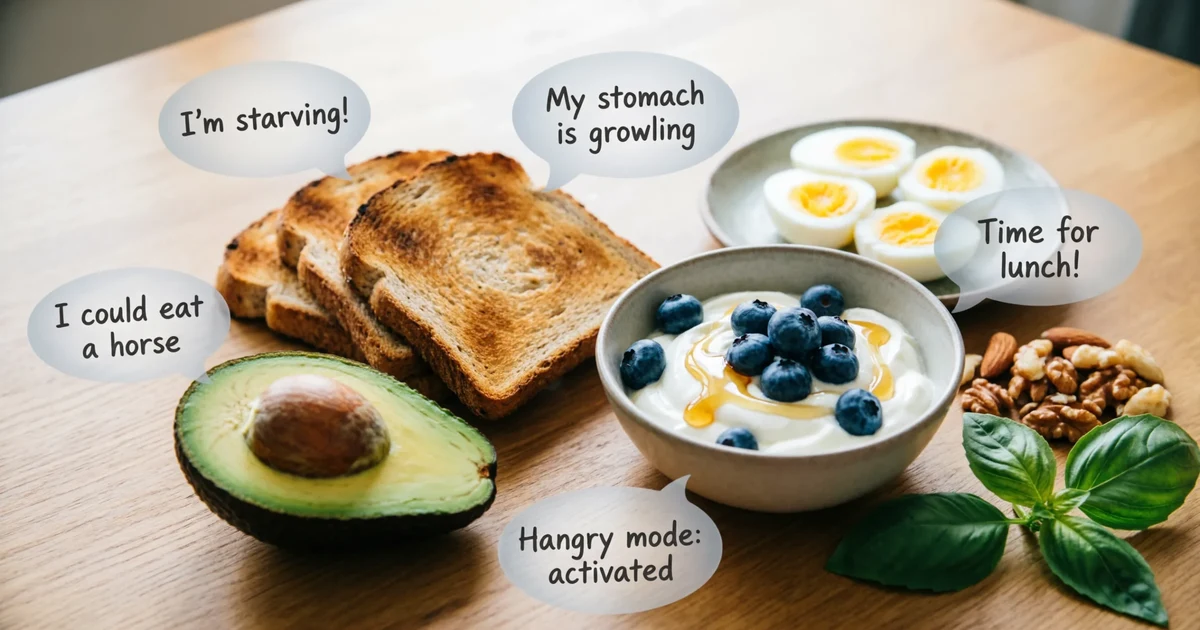
Idioms for hungry are expressive English phrases used to describe hunger in a creative way instead of simple words. They show different levels of appetite like mild hunger, strong craving, or extreme hunger.
Common examples include “eat like a horse” and “could eat a horse.” These idioms are mostly used in informal conversation to make speech more natural and interesting.
Introduction
Hunger is a basic human feeling, but English uses many creative ways to express it. Idioms for hungry make conversations more natural and expressive. Instead of simply saying “I am hungry,” people often use colorful phrases that show intensity, emotion, and personality. These expressions appear in daily speech, storytelling, movies, and even informal writing.
Learning idioms for hungry helps you understand real English better. Native speakers rarely speak in plain sentences all the time. They use phrases that carry feeling and attitude. When you hear someone say they could eat a horse, they do not mean it literally. They are showing extreme hunger in a fun and exaggerated way.
These idioms also help you sound more fluent. You can express mild hunger, strong cravings, or extreme appetite in different ways. Each phrase adds a slightly different tone. Some sound funny, some sound dramatic, and some are very casual. Once you understand them, you can follow conversations more easily and also speak in a more natural way.
Meaning or Definition
Idioms for hungry are fixed expressions used in English to describe hunger in a creative or non literal way. They do not always mean what the words directly say. Instead, they represent feelings like strong appetite, craving for food, or extreme hunger.
These idioms help speakers avoid simple statements like “I am hungry” and replace them with more expressive language. They are commonly used in informal conversations, storytelling, and everyday speech. Some idioms describe mild hunger, while others describe extreme hunger or desire for food.
Understanding these idioms improves comprehension of natural English. It also helps learners recognize emotional tone in speech. Many of these expressions use animals, exaggeration, or humor to make the idea of hunger more vivid and relatable.
Common Idioms for Hungry Expressions and Everyday Usage Search Queries
Idioms for Hungry Practical Usage in English Sentences Search Queries
People use hunger related idioms in casual talk when describing how they feel before meals or after skipping food. These expressions make speech more lively and less direct. They also help show emotion in a simple and natural way.
In real conversations, you will hear these idioms in homes, restaurants, schools, and workplaces. They often appear when people are waiting for food or talking about appetite.
Examples:
- I skipped breakfast and now I could eat a horse before lunch.
- After the long meeting, everyone was starving and looking for food.
- He has not eaten since morning and his stomach is growling loudly.
- She looked at the pizza like she was hungry as a wolf.
- We were so hungry that we ordered extra food for everyone.
- After the game, the kids were eating like a horse at dinner.
Comparison Table Idioms for Hungry vs Related Hunger Expressions Search Queries
| Expression Type | Example | Meaning | Usage Style |
|---|---|---|---|
| Simple hunger | I am hungry | Basic need for food | Neutral and direct |
| Mild idiom | Stomach is growling | Slight hunger feeling | Casual everyday speech |
| Strong idiom | Eat like a horse | Very large appetite | Informal and descriptive |
| Extreme idiom | Could eat a horse | Very intense hunger | Exaggerated and humorous |
How to Use Idioms for Hungry in Daily English Communication Search Queries
Use these idioms naturally in conversation without forcing them
- Use them in casual speaking with friends or family
- Match idiom strength with level of hunger
- Avoid using them in formal writing or official reports
- Learn one or two at a time for better memory
- Listen to native speakers to understand tone and context
Common Mistakes Using Idioms for Hungry in English Grammar Search Queries
Avoid using idioms incorrectly or in the wrong situation
- Do not take idioms literally
- Do not use too many idioms in one sentence
- Do not use formal idioms in professional writing
- Do not mix idioms with wrong grammar structure
- Do not force idioms where simple words are better
Idioms for Hungry List 20 Common Expressions Search Queries
as hungry as a wolf
Meaning: Extremely hungry like a wild animal
Uses: Used when someone is very eager to eat after long hunger
Example: After hiking all day, I was as hungry as a wolf
eat like a horse
Meaning: Eat a large amount of food
Uses: Used for people with big appetites
Example: My brother eats like a horse every evening
stomach is growling
Meaning: Feeling hunger physically in the stomach
Uses: Used when someone is noticeably hungry
Example: My stomach is growling during class
could eat a horse
Meaning: Extremely hungry and ready to eat anything
Uses: Used to show strong hunger in a funny way
Example: I missed lunch and could eat a horse now
hungry as a bear
Meaning: Very strong hunger feeling
Uses: Used in casual speech for intense appetite
Example: After waking up, I felt hungry as a bear
ravenous appetite
Meaning: Very extreme hunger
Uses: Used in formal or descriptive speech
Example: He came home with a ravenous appetite
starving artist
Meaning: A person with little food or money
Uses: Used in cultural or lifestyle context
Example: The movie showed a starving artist in Paris
empty stomach blues
Meaning: Feeling low due to hunger
Uses: Used when hunger affects mood
Example: I cannot focus with these empty stomach blues
feed the face
Meaning: Eat food quickly or eagerly
Uses: Used in informal slang conversations
Example: Let’s just feed the face and relax
hunger pangs hitting
Meaning: Sudden sharp feeling of hunger
Uses: Used when hunger comes strongly
Example: Hunger pangs hit me during the lecture
food craving mood
Meaning: Strong desire for food
Uses: Used when thinking constantly about food
Example: I am in full food craving mood today
licking lips hungry
Meaning: Feeling excited about food
Uses: Used when food looks very tempting
Example: He was licking lips hungry at the bakery
eyes bigger than stomach
Meaning: Taking more food than you can eat
Uses: Used when someone overestimates appetite
Example: I took too much food and had eyes bigger than stomach
hungry as a hunter
Meaning: Very focused and strong hunger
Uses: Used in storytelling or descriptive speech
Example: After training, I felt hungry as a hunter
eat you out of house and home
Meaning: Eat so much food that it causes shortage
Uses: Used humorously for heavy eaters
Example: The kids will eat you out of house and home
bottomless pit hunger
Meaning: Never ending appetite
Uses: Used for people who keep eating
Example: My cousin has bottomless pit hunger
feed the beast
Meaning: Satisfy strong hunger
Uses: Used when someone needs a big meal
Example: I need to feed the beast after gym
starving for food
Meaning: Extremely hungry and needing food badly
Uses: Used in urgent hunger situations
Example: We are starving for food after the trip
hunger strikes hard
Meaning: Sudden intense hunger feeling
Uses: Used when hunger comes unexpectedly
Example: Hunger strikes hard after long work
hungry beyond words
Meaning: Extremely hungry and hard to describe
Uses: Used when hunger feels very strong
Example: After fasting, I was hungry beyond words
FAQs for Idioms for Hungry Search Queries
What are idioms for hungry?
They are creative expressions used to describe hunger in English.
Why do people use hungry idioms?
They make speech more natural and expressive.
Is “eat like a horse” an idiom?
Yes, it describes someone with a big appetite.
What does “could eat a horse” mean?
It means someone is extremely hungry.
Are hungry idioms formal or informal?
Mostly informal and used in daily speech.
Where can I use these idioms?
In casual conversations and storytelling.
What is the most common hungry idiom?
“Stomach is growling” is very commonly used.
Can I use idioms in exams?
Yes, but only if context allows informal tone.
Do idioms mean literal hunger?
No, they are usually figurative expressions.
How can I learn hungry idioms fast?
Practice them in daily speaking and reading.
Conclusion
Idioms for hungry make English more expressive and interesting. They help you describe different levels of hunger in a natural and colorful way. Instead of using plain sentences, these idioms allow you to show emotion, humor, and intensity in speech.
When you understand them well, you can follow real conversations more easily. You also start speaking in a way that feels more natural and fluent. These expressions are common in everyday English, especially in informal settings like home conversations or casual chats with friends.
Learning them step by step is more effective than memorizing all at once. Once you start using them in real situations, they become part of your natural speech style.