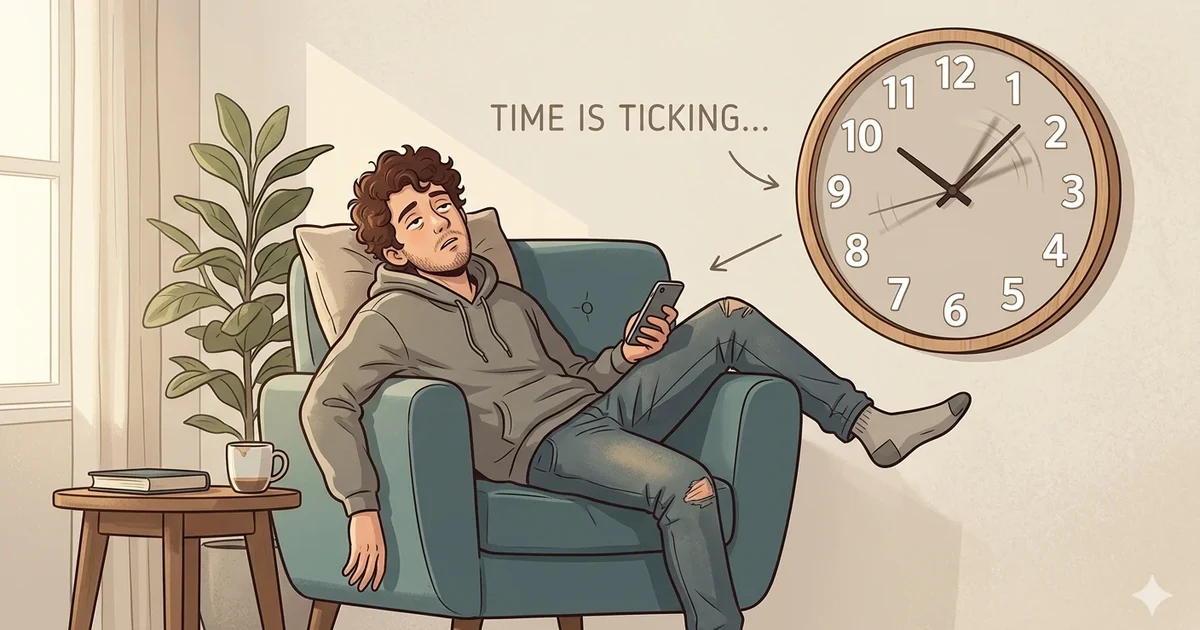
Everyone wastes time at some point. It happens when you delay work, scroll your phone, or just sit around doing nothing. English has many idioms that describe these moments in a fun and expressive way. These phrases help you sound more natural in everyday conversations.
When you learn idioms for wasting time, you also understand how people talk in real life. Native speakers rarely say things in a direct way. Instead, they use colorful expressions. These idioms can describe laziness, delay, or even harmless ways of passing time.
Knowing these phrases can improve both your speaking and writing. You can use them in casual chats, stories, or even social media posts. The key is to understand when and how to use them naturally.
Meaning of Idioms for Wasting Time
Idioms for wasting time are expressions that describe spending time without doing anything useful or productive. They often highlight delay, laziness, or avoiding important tasks.
These idioms do not always carry a negative tone. Sometimes they simply describe relaxing or waiting. For example, someone may “kill time” while waiting for a friend. In other cases, the tone becomes more critical, like when someone “procrastinates” instead of working.
Understanding the meaning behind these idioms helps you use them correctly. You also learn the difference between harmless time passing and actual time wasting. This makes your communication more clear and natural.
Common Idioms for Wasting Time
Kill time
Meaning: Spend time doing something unimportant while waiting
Uses: People use this when they have nothing serious to do for a short time
Example: I watched videos to kill time before my meeting
Waste time
Meaning: Use time poorly without any useful result
Uses: Common in both casual and serious situations
Example: Stop wasting time and start your work
Twiddle your thumbs
Meaning: Do nothing while waiting
Uses: Often used in a slightly humorous way
Example: He just sat there twiddling his thumbs
Kill the clock
Meaning: Let time pass slowly without doing anything meaningful
Uses: Often used in work or sports settings
Example: They tried to kill the clock until the game ended
Drag your feet
Meaning: Delay something on purpose
Uses: Used when someone avoids taking action
Example: She is dragging her feet on the project
Spin your wheels
Meaning: Stay busy but achieve nothing
Uses: Used in work or effort situations
Example: I feel like I am spinning my wheels at this job
Burn daylight
Meaning: Waste valuable time
Uses: Often used to remind someone to act quickly
Example: We are burning daylight, let’s go
Idle away time
Meaning: Spend time doing nothing important
Uses: Often used for relaxed or lazy situations
Example: He idled away the afternoon at home
Pass the time
Meaning: Do something to make time go by
Uses: Neutral phrase for waiting situations
Example: She read a book to pass the time
Sit around
Meaning: Stay idle without doing anything
Uses: Common in casual conversation
Example: I don’t want to sit around all day
Do nothing
Meaning: Spend time without activity
Uses: Very simple and direct usage
Example: He did nothing the whole weekend
Hang around
Meaning: Stay in a place without purpose
Uses: Often used socially
Example: They were hanging around the mall
Loaf around
Meaning: Spend time lazily
Uses: Slightly informal and playful
Example: He loafed around instead of studying
Laze around
Meaning: Relax and avoid work
Uses: Used for lazy or relaxing situations
Example: I just want to laze around today
Beat around the bush
Meaning: Avoid the main point and waste time
Uses: Used in conversations or discussions
Example: Stop beating around the bush and tell me
Goof off
Meaning: Avoid work and act silly
Uses: Common among students or coworkers
Example: They were goofing off in class
Dilly-dally
Meaning: Waste time by being slow
Uses: Often used as advice
Example: Don’t dilly-dally, we are late
Fritter away time
Meaning: Waste time on small useless things
Uses: Often used in a negative tone
Example: He frittered away his evening on games
While away time
Meaning: Spend time pleasantly without purpose
Uses: Neutral or positive tone
Example: She whiled away the evening chatting
Procrastinate
Meaning: Delay tasks that need to be done
Uses: Common in study and work context
Example: I always procrastinate before exams
Practical Usage of Idioms for Wasting Time
You will hear these idioms in daily conversations, especially when people talk about habits, work, or free time. They help express feelings about productivity or lack of it in a natural way.
Some idioms sound casual, while others feel slightly critical. The tone depends on the situation. Choosing the right phrase makes your message clearer and more relatable.
Real life examples:
- I was just killing time while waiting for my friend
- He keeps procrastinating instead of finishing his work
- We spent the whole day loafing around at home
- Stop goofing off and focus on your task
- She was twiddling her thumbs during the long meeting
- They frittered away their weekend doing nothing useful
Comparison Table of Time-Wasting vs Productive Behavior
| Aspect | Wasting Time | Productive Use of Time |
|---|---|---|
| Focus | No clear goal | Clear purpose |
| Action | Delaying or avoiding tasks | Taking action quickly |
| Outcome | No useful result | Achieves goals |
| Mindset | Lazy or distracted | Focused and active |
| Example | Procrastinating work | Completing tasks on time |
How to Use Idioms for Wasting Time
Use these idioms naturally in daily conversation.
- Match the idiom with the situation
- Use mostly in informal settings
- Keep sentences simple and clear
- Avoid using too many idioms together
- Understand tone before using
Common Mistakes with Idioms for Wasting Time
Many learners make small errors when using idioms.
- Using idioms in formal writing
- Mixing meanings of similar idioms
- Overusing idioms in one sentence
- Using wrong context
- Forgetting the tone of the phrase
Conclusion
Idioms for wasting time help you express everyday situations in a more natural way. They add color to your language and make your speech sound more like a native speaker. Once you understand their meaning, they become easy to use.
Try to use these idioms in your daily conversations. Start with simple ones like “kill time” or “goof off.” Over time, you will feel more confident using them. Keep it natural, and do not force them into every sentence.
FAQs About Idioms for Wasting Time
What are idioms for wasting time?
They are phrases that describe spending time without doing anything useful
What is the most common idiom for wasting time?
“Waste time” and “kill time” are very common
Is procrastination the same as wasting time?
Not exactly. Procrastination means delaying tasks on purpose
Can these idioms be used in formal writing?
Most of them are better for informal use
What does “twiddle your thumbs” mean?
It means doing nothing while waiting
How can I learn idioms faster?
Practice them in daily conversations
Are these idioms negative?
Some are negative, others are neutral
What is a polite way to say wasting time?
You can say “passing time” instead
Can I use these idioms in exams?
Use them only if informal language is allowed
Why are idioms important in English?
They make your language sound natural and fluent